


The Building Arts and Social Science Capacity in One Health student funding initiative is intended to strengthen opportunities to integrate arts and/or social science perspectives in One Health research projects. This funding initiative supports a project that draws on/centres arts or social science approaches, methods, and/or disciplines.
2025/2026 Awards
“Art and Nature in Paediatric Care: Animating Nature’s Love”
Art and Nature in Pediatric Care: Animating Nature’s Love will integrate artistic creation, nature connection, and healthcare practice through a series of workshops where pediatric inpatients create short stop-motion animations inspired by the natural world. The project’s goal is to foster wellbeing, creative agency, and a sense of belonging for young patients and their families while developing a sustainable model for art and nature engagement within hospital care.
During the planning and creation phases, lead artist Dr. Michelle Wilson and mentee Jennifer Plourde will collaborate with Dr. Anna Gunz (Medical Director, Children’s Environmental Health Clinic Ontario), Child Life Specialist Deborah Dewbury-Langley, and Research Assistant Meagan Byrne to design accessible, age-appropriate, and culturally sensitive activities. Workshops will invite participants to imagine and animate stories that connect personal experience with the living world—plants, animals, water, and weather systems. Using sustainable materials such as plant-based inks and recycled paper, children will explore themes of care, resilience, and interconnection while developing creative and digital literacy skills.
Participants will directly influence the artistic direction of the project by shaping the stories, characters, and visual worlds within their animations. Each session will encourage improvisation, collaboration, and reflection, centering children’s voices as artists and storytellers. The workshops will be guided by Child Life principles of safety, choice, and emotional support, ensuring that creativity unfolds within a caring, trauma-informed framework.
The project will culminate in a community celebration and screening at the Hyland Cinema in September 2026, where participants’ animations will be shared alongside live music and an Elder-led opening. This celebration will extend the project’s impact beyond hospital walls—honouring children’s creative voices, strengthening community connection, and demonstrating how art can nurture healing, empathy, and ecological care.
Michelle Wilson
Assistant Professor, School of Fine Art and Music

Michelle Wilson is a queer, neurodivergent artist, mother, and educator whose work centers on community-based programs that integrate the creative arts with health and wellness. Her practice foregrounds artistic collaboration as a form of anti-colonial care, challenging individualistic conceptions of the artist. Instead, she cultivates collective creativity at the margins—bringing together diverse groups through shared acts of making and meaning. Dr. Wilson holds a Ph.D. from the University of Western Ontario and is currently an Assistant Professor cross-appointed in Creative Arts, Health and Wellness, and Visual Arts at the University of Guelph.
Meagan Bryne

Meagan (pronounced: Me-Eh-Gan) is an Âpihtawikosisân (Métis of Ontario) interactive digital media artist, game designer, writer, and philosopher. Her most recent work is the Indigenous cybernoir detective game Hill Agency: PURITYdecay.
Beyond digital interactive works Meagan is also known for her philosophical articles on Indigenous digital media such as “Read-Only Sacred Spaces: Indigenous Video Games as Space Safe from Vandalism and Theft” and more recently “What Makes it Indigenous? On Readability and Forced Readability in Indigenous Media”.
Meagan is the co-director of the Indigenous Game Devs collective and the Indigenous Rep for the Canadian Game Studies Association Board. She has served on several boards of interactive media collectives including Dames Making Games, Indigenous Roots, and the Mixed Reality Performance Atelier. Meagan is currently an MFA Studio Arts student at the University of Guelph.
“Wildlife rehabilitation in Ontario: Understanding the human dimensions & One Health considerations”
The majority of work in One Health in North America explores the human-environment-animal nexus of animals embedded in agricultural industries or companion animals within human homes. Relatively fewer studies explore interactions of humans and wildlife through a One Health lens of shared wellbeing. One space in which humans and animals intersect related to health is in wildlife rehabilitation. In urban areas, wildlife experience health challenges related to injuries from vehicle and building collisions, dogs/cats, and exposure to toxins. Wildlife rehabilitators intervene to treat injured/ill animals and release them back into the environment. There are a range of concerns ranging from zoonotic disease transmission risks, post-release success rates, allocation of scarce resources, and human responsibilities to other species.
Very limited research has explored the human dimensions of wildlife rehabilitation, including: the complexity of ethical dilemmas; experiences of compassion satisfaction/fatigue; how different understandings of responsibility for wildlife are negotiated in practice and communicated to the public; and how the regulatory landscape may support or inhibit the work of rehabilitators. To explore these dynamics and their One Health implications, this research will use social scientific tools to map the regulatory landscape and characterize the discourses surrounding wildlife rehabilitation in Ontario. Funding has been received through a SSHRC grant to support a separate phase of research using community engaged methods to explore experiences and practices of individual wildlife rehabilitators. This project will help complement the other research phase by providing a broader view of regulatory considerations and public discourse affecting wildlife rehabilitation practices.
Lauren Van Patter
Assistant Professor | Department of Clinical Studies
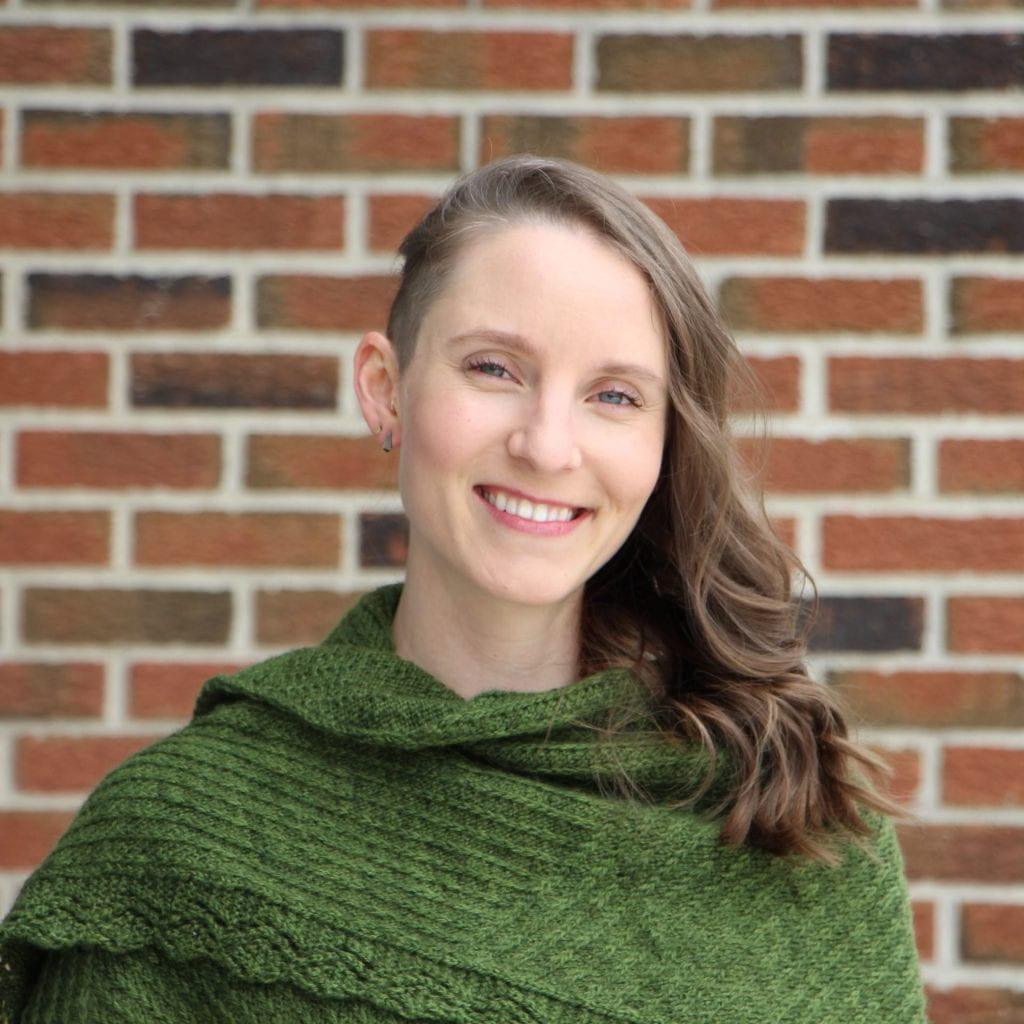
I’m a transdisciplinary Animal Studies researcher who focuses most broadly on questions of ‘living well’ in multispecies communities. I draw on my background in Environmental Sciences and Cultural Geographies to explore the cultural, spatial, and ethical dimensions of human-animal relationships, pairing a mixed-methods toolkit with social and critical theory, particularly drawing on feminist, posthuman, and decolonial traditions. As an action-oriented researcher, I have worked collaboratively with veterinarians, wildlife practitioners, biologists, philosophers, and political theorists to produce outputs which extend dialogues around policy, ethics, and practice for a range of domestic and wild species. My work with the Community Healthcare Partnership Program (CHPP) investigates barriers to accessing animal healthcare and strategies to improve access. My current work draws from One Health and aims to address questions of multispecies justice.
